
Van Life with Dogs: The Parking Reality Nobody Warns You About
Van Life with Dogs: The Parking Reality Nobody Warns You About
Here is the math that doesn’t show up in the glossy van life posts: You’re driving through eastern Tennessee. You’ve been on the road since 7am, the dog needs out, and you need a shower and a bed. You find a hotel that says “pet friendly” on the booking site. You call to confirm. They charge $75 per night per pet. You have two dogs. That’s $150 on top of a $90 room, before tax.
You sleep in the van.
The Pet Fee Problem
Hotel pet fees have become a category of travel expense that rivals lodging itself. Industry surveys put the average pet fee at $50–$150 per stay, with some chains charging per night, per pet. A “pet friendly” sign at the lobby door often means: we will take your dog in exchange for a substantial surcharge, no amenities included, and you accept liability for any damage.
For travelers with large dogs, multiple dogs, or dogs that don’t fit the unstated “small, quiet, non-shedding” expectation — the practical reality is that most hotels are not actually functional options. The policy says yes. The price says no.
This isn’t edge case complaining. It’s one of the most consistently-reported frustrations in road travel communities. The fees have increased faster than room rates, with no corresponding improvement in pet-related services.
The Walmart Situation
For decades, the unwritten rule was that Walmart parking lots were open to overnight RV and van parking. Walmart’s corporate policy nominally allowed it. Store managers had discretion. The system worked, imperfectly, for millions of road trips.
That’s largely over. About half of U.S. Walmart locations now post signs prohibiting overnight parking — driven by local ordinances, liability concerns, liability insurance costs, and in some cases, conflicts with the homeless population that found the same safe, well-lit parking lot useful. The policy varies by location, changes without notice, and is enforced inconsistently enough that showing up late and hoping for the best is genuinely risky.
Dedicated apps (FreeRoam, iOverlander, Freecampsites.net) try to track which locations still allow overnight stays. They’re helpful but lag behind policy changes. The reliable answer is: don’t count on Walmart as your default.
The Truck Stop Tightening
Loves, Pilot, and Flying J have historically been functional overnight options for van travelers — safe, well-lit, usually with a coffee shop and showers available for a fee. Some of that is still true. Some is changing.
Loves locations are increasingly posting time-limited parking signs — “2 hour parking only,” “authorized vehicles only” in sections that used to be open. The changes aren’t consistent across locations and don’t reflect a single announced policy, but the trend in online communities (r/vandwellers, various Facebook groups) is clear: dedicated rest stops and truck stops are becoming less reliable as overnight options for non-commercial vehicles.
Why the Van Makes Sense Anyway
None of this is a reason to abandon van life. It’s a reason to plan differently.
The honest realization most van travelers arrive at: parking in lots — hotel lots, Walmart lots, truck stop lots — is the hard version. It involves rules, enforcement, and the constant low-grade stress of not knowing if you’ll wake up to a knock on the window.
Dispersed camping on public land is the easy version. Drive into a national forest on a forest road, find a flat spot 200 feet from the road, and that’s it. No fee. No reservation. No one checking your permit. Legal, free, and actually quiet in a way that no parking lot ever is.
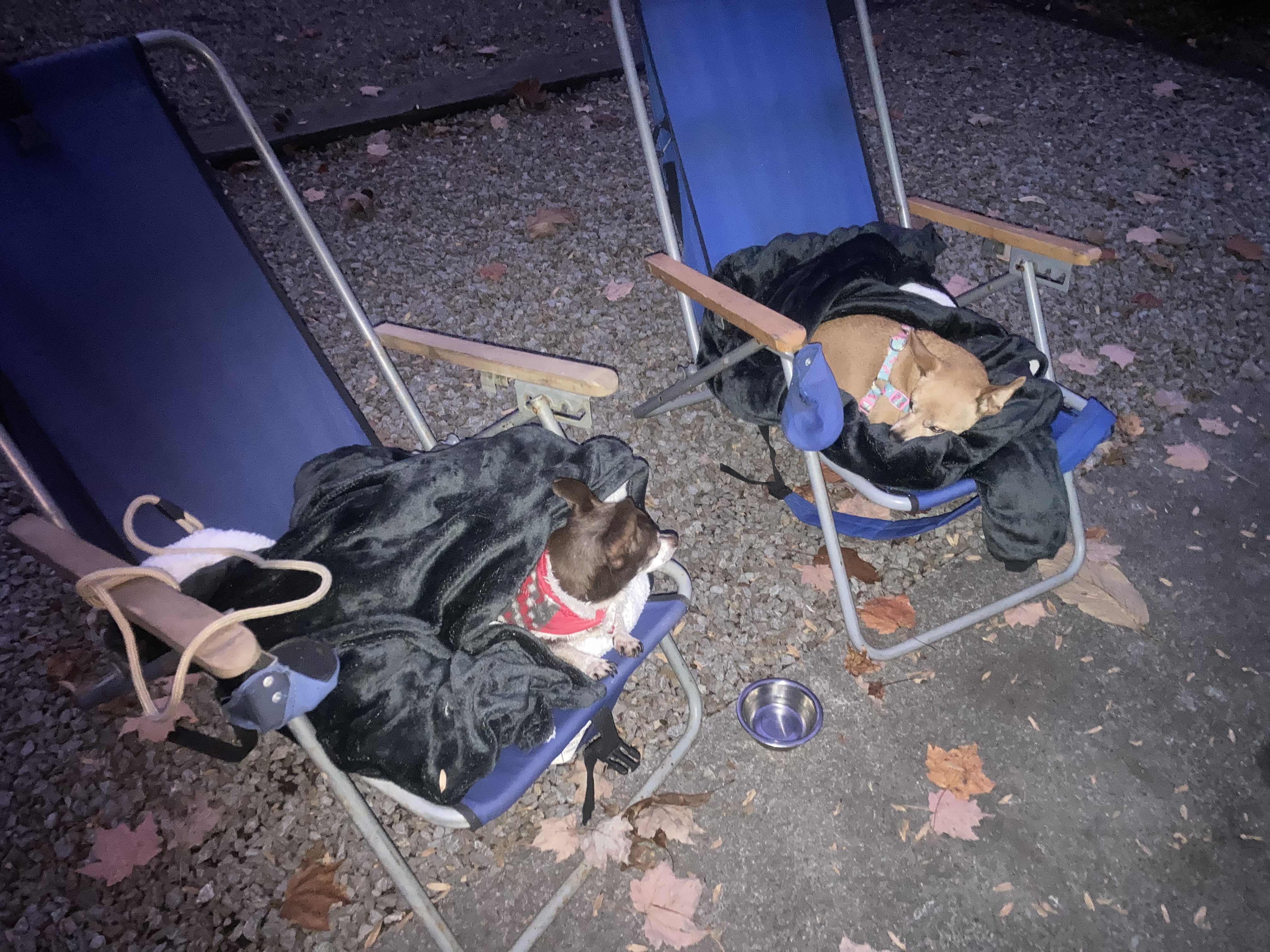
With two dogs, dispersed camping is clearly better — they can get out, stretch, and be dogs. They can move around without you worrying about parking lot traffic or hotel rules about barking. A forest road site at 6am, coffee on the stove, dogs running in the trees, is the version of this life that makes the rest of it worth the friction.
Finding the Free Spots
The barrier to dispersed camping is information. It’s not obvious where on a national forest you can legally pull off and camp, which roads are passable in a two-wheel-drive van, which areas require a campfire permit, which areas are closed seasonally.
Trek4Free’s explore map aggregates dispersed camping locations and free sites across National Forest and BLM land, searchable by location. It’s not perfect — conditions change, roads wash out, closures happen — but it gives you a starting point that takes most of the guesswork out of finding somewhere legitimate to stop.
The hotel with the $150 pet fee exists for people without another option. If you have a van and a willingness to turn down a forest road, you almost always have another option.
Search Trek4Free’s free camping map before your next trip. Filter by location and find dispersed camping near your route.