
The Lone Star Hiking Trail: Texas's Longest Wilderness Footpath
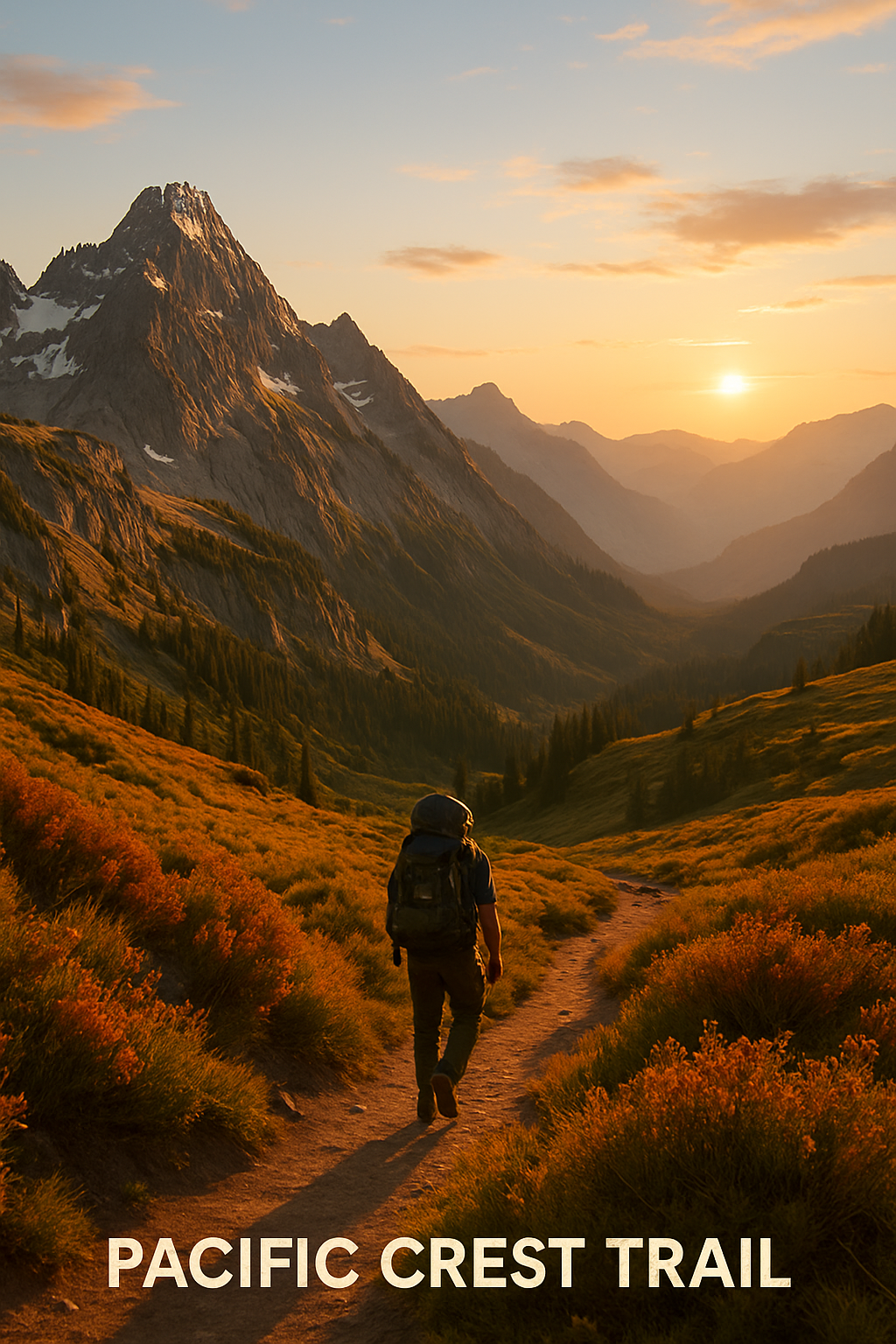
The Lone Star Hiking Trail: The Longest Wilderness Footpath in Texas
Texas has a reputation as a state where you drive long distances. The Lone Star Hiking Trail suggests you might also consider walking them.
At approximately 128 miles, the LSHT is the longest wilderness hiking trail in Texas — and the only trail in the state that can legitimately be called a thru-hike. It runs through Sam Houston National Forest in Montgomery, Walker, and San Jacinto Counties, north of Houston, from Trailhead #1 near Richards in the west to Trailhead #15 near Cleveland in the east.
History and Character
The Sierra Club’s Lone Star Chapter conceived the trail in 1966. By 1978 it had reached its current path, making it one of the older long trails in the South. Unlike many long trails, it is entirely foot-traffic only — no bikes, no horses, no motorized vehicles. It was built by hikers for hikers and has stayed that way.
The trail is described by the Lone Star Trail Association as “primitive, largely backcountry” — which is accurate. Blazes are present but not always dense. The trail crosses private land in places with access agreements that can change. Some sections are routed along public roads where the trail corridor is discontinuous. Stream crossings range from easy step-overs to calf-deep wades after rain.
This is not a manicured trail experience. It’s East Texas wilderness, which has its own particular character — humid, buggy in summer, beautiful in winter, abundant with wildlife.
The Main Trail (96 Miles)
The backbone of the LSHT is the 96-mile main trail from Richards to Cleveland. This is the thru-hike route. Most hikers complete it in 7–10 days.
Western section (Trailheads 1–5): Rolling piney woods, open areas recovering from timber harvest, some road walking. The longleaf pine restoration areas are the highlight here — a landscape being returned to what existed before industrial logging.
Central section (Trailheads 5–10): The most remote stretch. The Little Lake Creek Loop Wilderness Area is here — a federally designated wilderness, one of only a few in Texas. No motorized equipment is permitted; the landscape is as undisturbed as anything in the state.
Eastern section (Trailheads 10–15): The 26-mile stretch from Trailhead #10 to Trailhead #15 carries the designation of National Recreation Trail. It’s the most maintained and most traveled portion of the LSHT. The trail crosses or parallels several creeks and ends near Cleveland.
The Loop Trails
The LSHT’s total 128 miles includes several connector loops that branch from the main trail and create shorter circuit options without requiring a car shuttle. The most popular:
- Kelly Loop: A connector circuit in the western section, good for weekend backpacking without a shuttle
- Huntsville Side Trail: Accesses Huntsville State Park, which has developed camping and showers — a good resupply point for thru-hikers
What Makes This Trail Hard
Not elevation — Sam Houston National Forest is relatively flat. The challenge is:
- Heat and humidity: From May through October, conditions are genuinely dangerous. Thru-hikers go November–March.
- Water logistics: Water sources exist (creeks, the occasional pond) but must be filtered. Some sections are dry.
- Navigation: In denser sections, the trail can be hard to follow without GPS. Download offline maps.
- Insects: Ticks are a serious concern year-round but especially spring and fall. Check thoroughly after every hike.
- Flooding: East Texas creeks rise fast after rain. Crossings that are easy in dry conditions can become impassable in wet weather.
The Guidebook
An authoritative guidebook written by Karen Borski Somers — titled The Official Guide to the Longest Wilderness Footpath in Texas — covers the entire trail in detail with maps, elevation profiles, and trailhead information. It is strongly recommended for any multi-day trip and available through lonestartrail.org.
Permits and Access
No permit required. Sam Houston National Forest is a National Forest — no entrance fee, dispersed camping is allowed outside designated wilderness areas. Trailhead parking areas are free.
Getting There
The LSHT spans a large geographic area. Trailhead #1 near Richards is about 90 minutes northwest of Houston. Trailhead #15 near Cleveland is about an hour northeast. Huntsville is the largest town adjacent to the trail corridor — food, lodging, gear basics. Huntsville State Park at the trail’s midpoint has developed camping, showers, and canoe rentals on Lake Raven.
For thru-hikers, a car shuttle between the two termini is necessary unless you arrange a ride or are section hiking with out-and-back day hikes.
Coordinates: 30.497°N, 95.472°W | Sam Houston National Forest, TX | lonestartrail.org