
One Mile In: What the Grand Canyon Does to Unprepared Hikers
One Mile In: What the Grand Canyon Does to Unprepared Hikers
We trained for the Grand Canyon. Not casually — seriously. We built up to it over weeks, hiking every day, increasing mileage until we were doing 18 miles on day one and 20 miles on day two of back-to-back training days. We knew what we were getting into physically. We knew the canyon reverses the normal rules of hiking: down is easy, up is brutal, and the distance from the rim to the Colorado River is 9.5 miles of descent that you have to climb back out of after your legs are already spent.
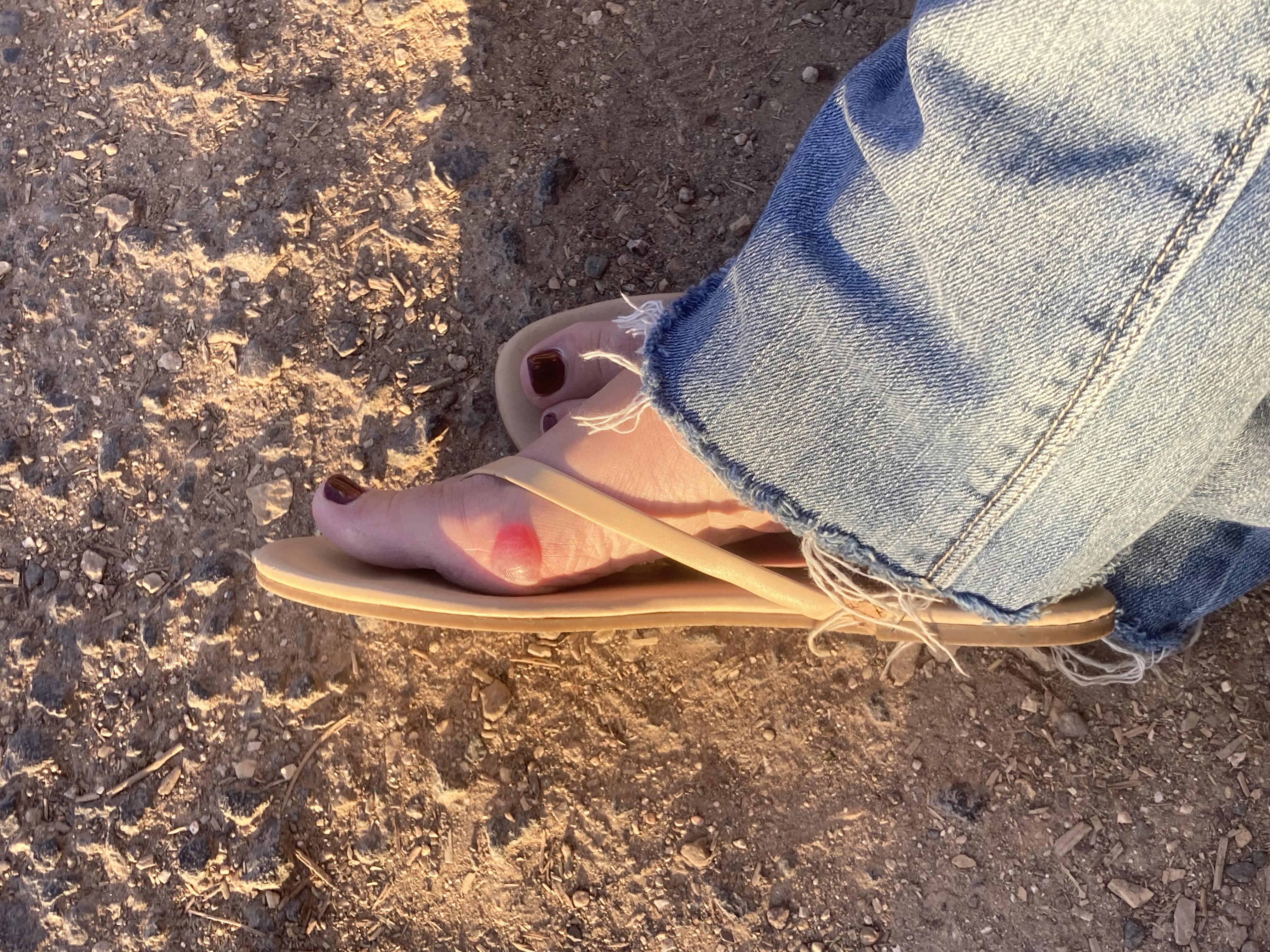
We were prepared. We still came home with blisters.
The photo of those blisters is one of my favorite pictures from the whole trip. That sounds strange, but it isn’t — those are earned. They’re proof of the miles.
The Helicopter
Somewhere around mile one on Bright Angel Trail, we watched an emergency helicopter extraction.
Someone had walked one mile from the trailhead — just one — and needed to be airlifted out.
We still don’t fully understand how the helicopter reached her. The canyon walls on that section of the trail are sheer and close. There’s not much room. But they managed it. The helicopter got in, made the pickup, and got out. The Grand Canyon’s search and rescue teams do this regularly. More often than most visitors realize.
It wasn’t a judgment moment for us. The Grand Canyon is genuinely dangerous, and it can become dangerous fast. Heat, dehydration, and the psychological trap of the descent — everything feels fine going down — take people off guard every single season. The park service reports thousands of medical incidents annually, and rescue operations run year-round.
But there’s a gap between what the trail looks like from the rim and what it actually demands, and that gap is where people get into trouble.
What the Canyon Does
The Bright Angel Trail drops 4,380 feet between the South Rim and the Colorado River. That descent happens over 9.5 miles. The math sounds manageable — a moderate hiking pace covers 9.5 miles in three or four hours going down.
The problem is what happens after. You’re at the bottom of the canyon. It’s hotter there — often 15–20°F hotter than the rim. You’ve used water. Your legs have been working the whole descent even though it felt effortless. And now you have to climb 4,380 feet back up, in the heat, on legs that already have miles on them, while the canyon’s walls block any breeze.
Rangers call it the “upside-down mountain” problem. On a normal mountain, you climb first and descend when you’re tired. The canyon reverses that. You descend first, when you’re fresh and optimistic and the views are incredible. The hard part waits until the end.
The person who gets helicoptered out at mile one usually started too late in the day, didn’t carry enough water, underestimated the heat, and made a good decision by stopping and asking for help before it became something worse. The people who actually die in the canyon are often the ones who kept going when they should have turned around.
The Supply Helicopters
There were other helicopters while we were there — not rescue, supply. They were lowering materials to the bottom of Bright Angel for maintenance work on the water system.
The water pipes that supply the rest houses on Bright Angel Trail run down the canyon wall. They’ve been there for decades and require maintenance that can’t be done any other way. Watching a helicopter hover over the trail and slowly lower equipment on a cable, with the canyon spread out beneath it, was one of the more surreal things I’ve seen on any hike.
The canyon has infrastructure you don’t think about from the rim — water, emergency phones, a mule operation, research stations, the Phantom Ranch lodge at the bottom. It takes constant work to keep it running.
What Preparation Actually Means
We trained. We still got blisters. That’s what prepared looks like — not that you avoid all discomfort, but that you can keep moving through it. The blister doesn’t end the hike. It’s just something that happened.
The unprepared hiker isn’t necessarily less fit. They’re usually less aware of what the canyon specifically demands. They brought 16 ounces of water for what became a 4-mile round trip in 90°F heat. They wore trail runners on rocky switchbacks. They didn’t know that the rest houses sell nothing but water and that there are no snacks for purchase anywhere on the trail. They went down without thinking about going back up.
The preparation that matters for the Grand Canyon is specific preparation:
- Train on hills, not flat ground. Your legs need to know what sustained descent followed by sustained ascent feels like.
- Carry more water than you think you need. The park recommendation is one liter per hour in warm weather.
- Start early. The canyon at 6am is a different place than the canyon at 11am.
- Turnaround time matters more than turnaround distance. Set a time limit and honor it regardless of where you are on the trail.
- Know where the water is. Bright Angel has water at the 1.5-Mile Resthouse and 3-Mile Resthouse (seasonal) and at Indian Garden. The South Kaibab Trail has no water at all.
Those blisters in the photo are from two days of hard miles at altitude and in heat. We earned them and we’d earn them again. The canyon is worth it — but it asks you to show up ready.
Planning a Grand Canyon hike? The Trek4Free explore map covers trailheads and camping across the Southwest — including the developed campgrounds and dispersed sites near the national park corridor.