
The Best Free Campsites Near National Parks
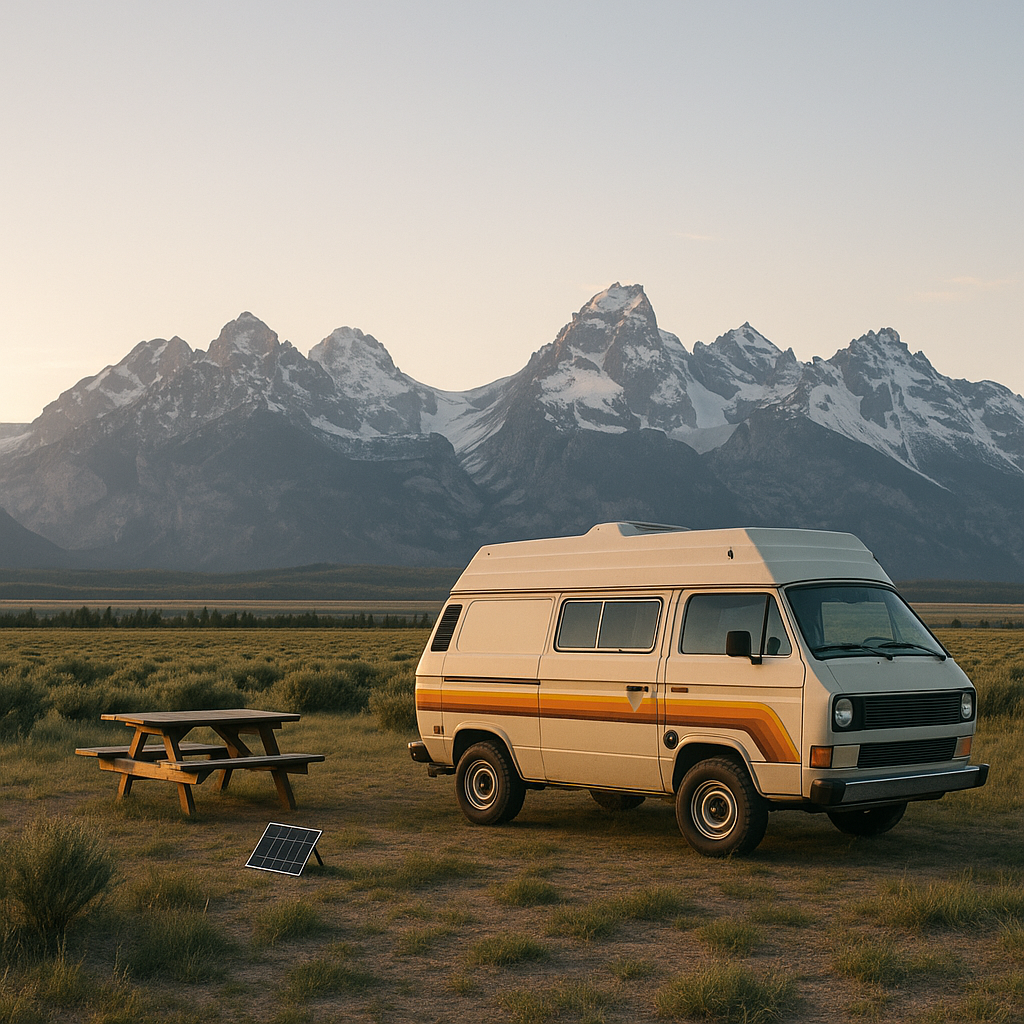
You pull up to Yellowstone’s entrance, excited for your long-awaited camping trip, only to discover that campground spots are either booked solid or running $45 a night. Sound familiar? Here’s a secret that seasoned road trippers and vanlifers have known for years: some of the best camping near National Parks happens outside the park boundaries—and it’s completely free.
These dispersed camping gems offer something priceless beyond just saving money: solitude, flexibility, and often better views than their expensive counterparts. Ready to unlock the local knowledge that’ll save you hundreds on your next National Park adventure?
Why Camp Outside the Parks?
Before we dive into the good stuff, let’s talk about why free camping near National Parks often beats staying inside them. Park campgrounds fill up months in advance, cost $25-50 per night, and pack you in like sardines next to RVs running generators until 10 PM.
Free dispersed camping gives you space to breathe, flexibility to stay as long as you want (usually up to 14 days), and sunrise views without crowds. Plus, you’re often closer to lesser-known trails and viewpoints that day visitors miss entirely.
The key is knowing where to look—and that’s exactly what we’re about to cover.
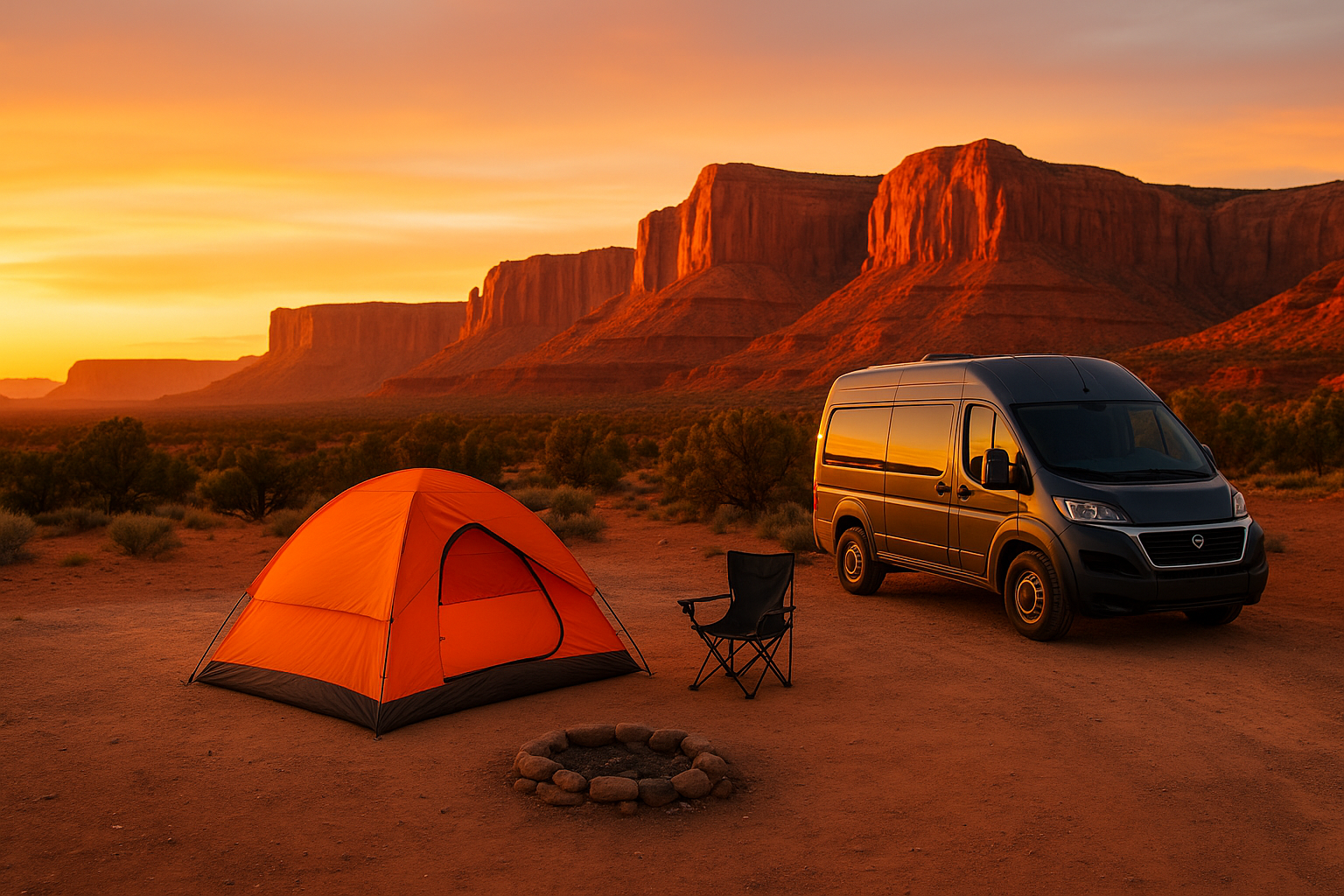
Yellowstone National Park Free Camping
Gallatin National Forest - Taylor Fork
Location: 20 miles south of Bozeman, MT
Access: Any vehicle (some sites require high clearance)
Cell Service: Spotty Verizon, minimal others
Distance to Park: 45 minutes to North Entrance
This dispersed camping area along Taylor Fork Road offers dozens of primitive sites nestled in aspens and pines. You’ll find level spots perfect for tents or vans, plus access to excellent fishing and hiking. The drive into Yellowstone through the Gallatin Canyon is spectacular—almost as good as anything inside the park.
Pro tip: Sites fill up by noon during peak season, so arrive early or scout the area the day before.
Hebgen Lake - Rainbow Point
Location: West Yellowstone, MT area
Access: RVs and vans welcome
Cell Service: Good Verizon coverage
Distance to Park: 15 minutes to West Entrance
Rainbow Point Campground is technically a fee area, but the dispersed sites around Hebgen Lake are free and offer stunning sunrise views over the water. You’ll have access to fishing, kayaking, and some of the darkest night skies you’ll ever see.
The best free spots are along Hebgen Lake Road—look for established fire rings and level parking areas.
Yosemite National Park Free Camping
Stanislaus National Forest - Dispersed Sites
Location: Highway 120 corridor east of Groveland
Access: Most vehicles (avoid after heavy rain)
Cell Service: Limited
Distance to Park: 30-45 minutes to Big Oak Flat Entrance
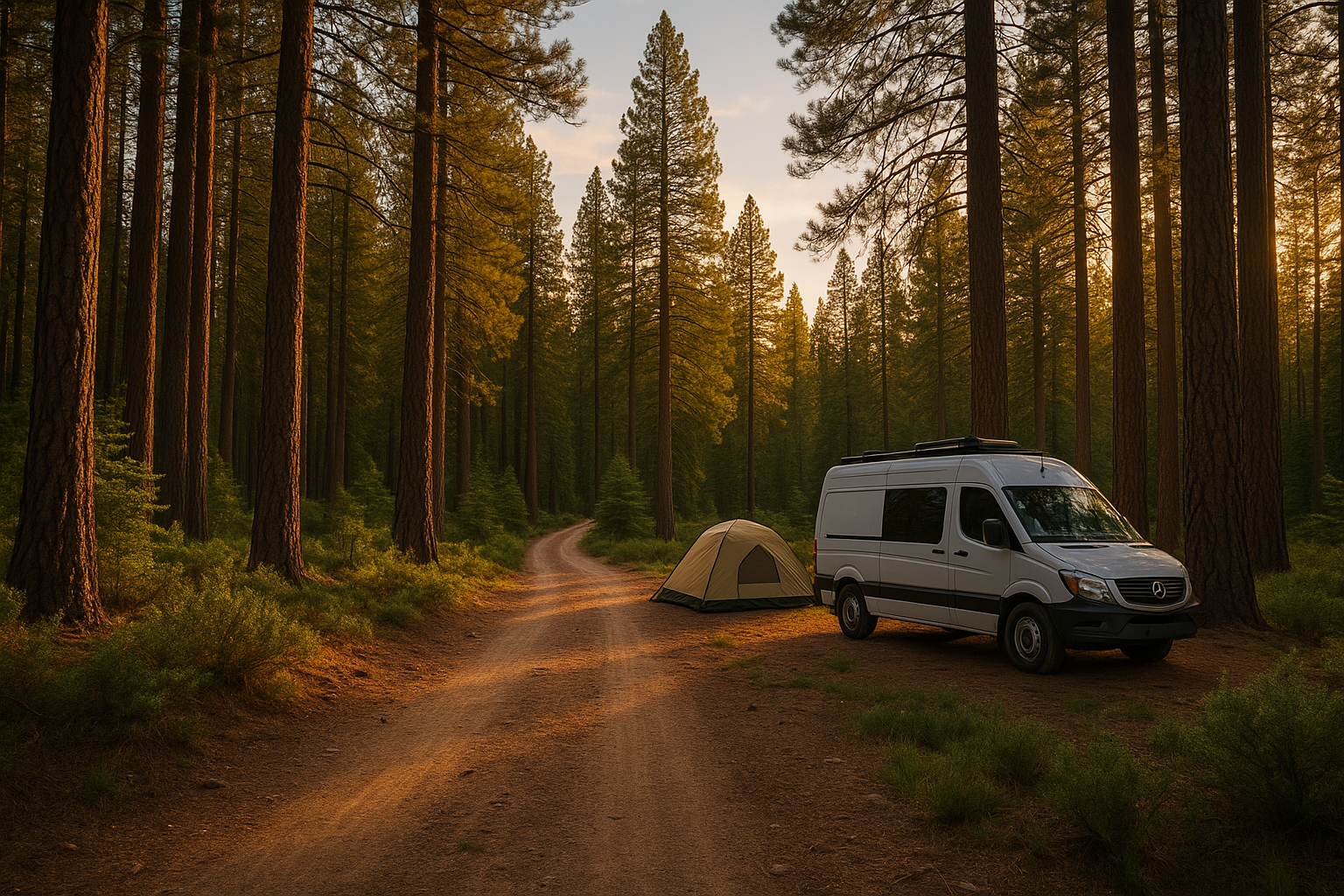
The network of forest roads off Highway 120 hides some incredible free camping options. Sites range from roadside pullouts perfect for car camping to more secluded spots requiring a short hike. You’ll find established fire rings, level tent spots, and that perfect Sierra Nevada pine smell.
Insider knowledge: Forest Road 1N04 and 1N07 have the best concentration of sites, but don’t broadcast this on social media—locals want to keep these spots low-key.
Sierra National Forest - Bass Lake Area
Location: South of Yosemite via Highway 41
Access: All vehicle types
Cell Service: Good AT&T and Verizon
Distance to Park: 1 hour to South Entrance
While technically farther from Yosemite, the dispersed sites around Bass Lake offer a different Sierra experience. You’ll find lakeside camping, granite boulder formations, and access to lesser-known trails. It’s particularly great for families since you get lake swimming plus National Park access.
Grand Teton National Park Free Camping
Bridger-Teton National Forest - Curtis Canyon
Location: East of Jackson, WY
Access: High clearance recommended
Cell Service: Good at higher elevations
Distance to Park: 45 minutes to Jackson entrance
Curtis Canyon offers some of the most spectacular free camping in the country. The dispersed sites sit at 7,000+ feet with direct views of the Teton Range. On clear mornings, you’ll watch sunrise light up the peaks while sipping coffee from your camp chair.
The road gets rough in places, but the payoff is worth every pothole. This area stays cooler in summer and offers excellent star gazing.
Shadow Mountain - Teton Views
Location: North of Jackson via Antelope Flats Road
Access: Any vehicle
Cell Service: Minimal
Distance to Park: 20 minutes to park boundary
These sites offer incredible Teton views without the elevation gain of Curtis Canyon. You’ll find sagebrush camping with mountain backdrops, plus easy access to Mormon Row and Antelope Flats for wildlife viewing.
Local tip: The best sites are about 2 miles up Shadow Mountain Road—look for existing fire rings and established camping areas.
Arches National Park Free Camping
BLM Land - Klondike Bluffs
Location: North of Moab, UT
Access: High clearance recommended
Cell Service: Good Verizon
Distance to Park: 25 minutes to entrance
This BLM area offers red rock camping with views toward Arches. The sites are more spread out than closer options, giving you true desert solitude. You’ll find established fire rings, decent cell service for remote work, and access to lesser-known arches and hiking.
The Klondike Bluffs area includes some fascinating geology and petroglyph sites—just remember to look but not touch.
BLM - Highway 128 Corridor
Location: Along Colorado River, northeast of Moab
Access: All vehicles
Cell Service: Spotty
Distance to Park: 45 minutes to Arches entrance
The sites along Highway 128 offer cottonwood shade and Colorado River access—a rare combination in Utah desert camping. You’ll trade red rock views for riverside camping, but gain swimming holes and better summer temperatures.
These sites work particularly well for longer stays since you have water access and more moderate temperatures.
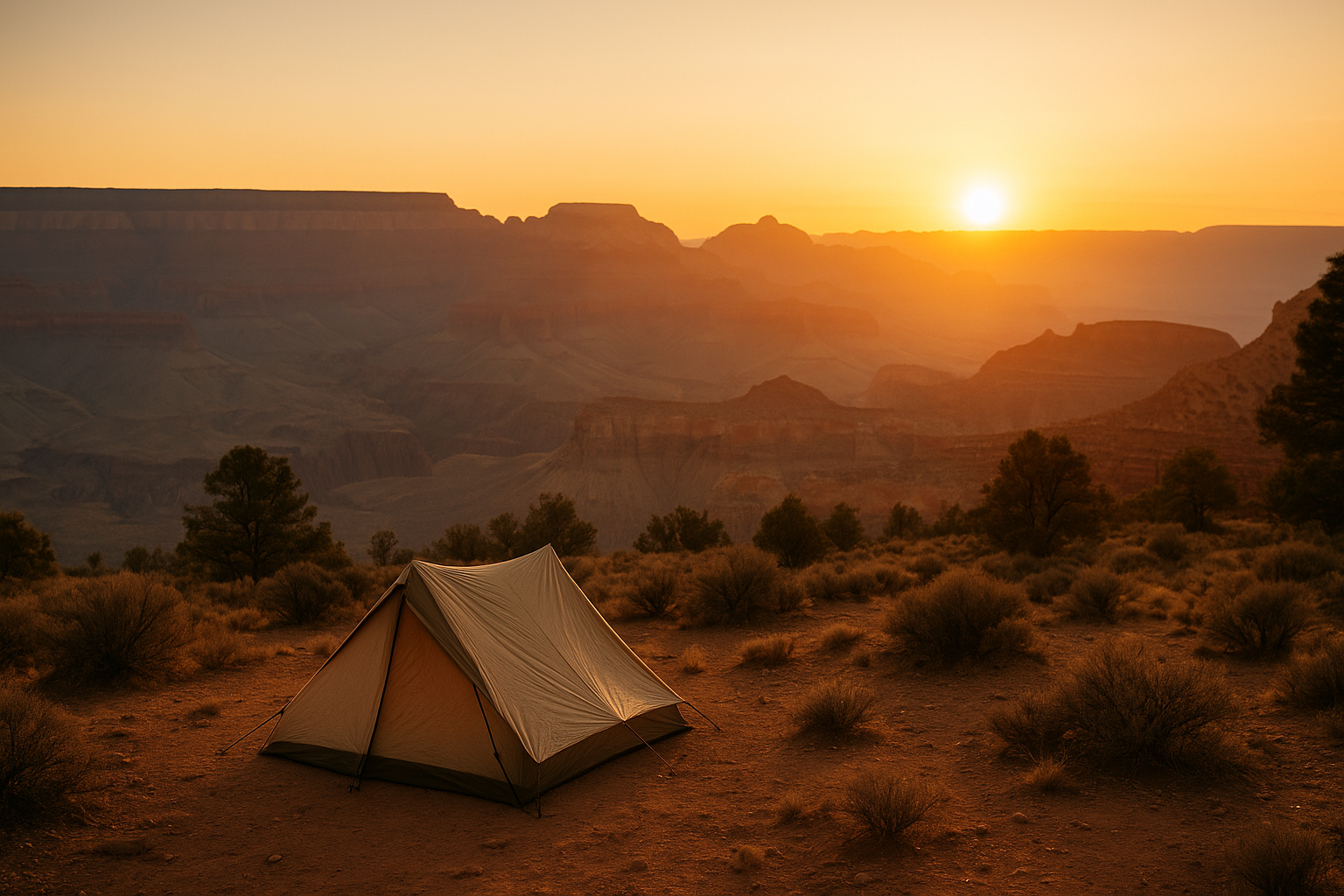
Grand Canyon National Park Free Camping
Kaibab National Forest - South Rim Area
Location: Forest Road 688 and surrounding areas
Access: Most vehicles (muddy when wet)
Cell Service: Limited
Distance to Park: 20 minutes to South Entrance
The Kaibab National Forest offers scattered dispersed camping in ponderosa pine forests. Sites range from roadside pullouts to more secluded spots requiring short walks. You’ll trade canyon views for forest camping, but gain cooler temperatures and that amazing mountain fresh air.
Weather note: This area gets snow in winter and can be muddy during monsoon season—plan accordingly.
Kaibab National Forest - North Rim Area (Seasonal)
Location: Forest roads off Highway 67
Access: High clearance preferred
Cell Service: None
Distance to Park: 30 minutes to North Rim (when open)
The North Rim area offers some of the most remote free camping near any National Park. These sites are only accessible when the North Rim is open (roughly May through October), but offer incredible solitude and cooler temperatures.
You’ll find sites scattered through aspen and pine forests, with some offering glimpses of the canyon through the trees.
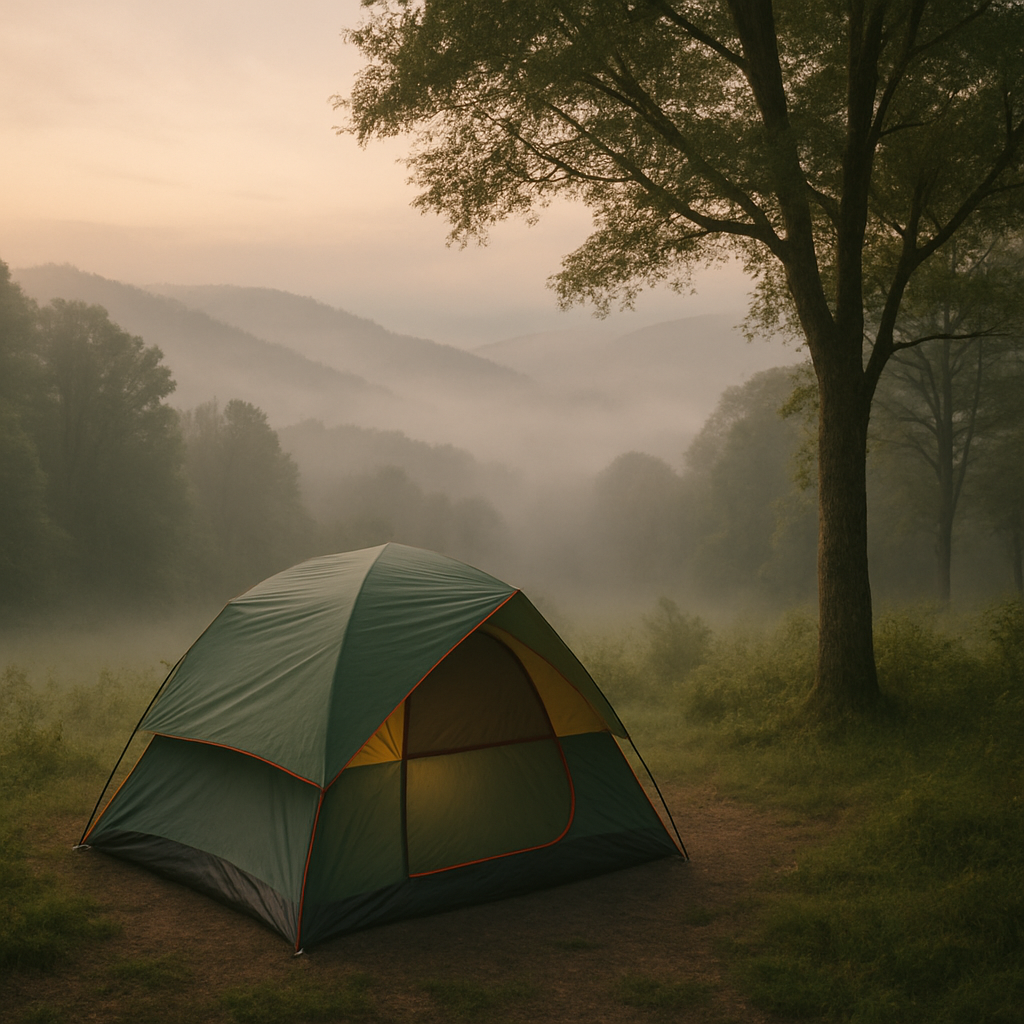
Great Smoky Mountains Free Camping
Cherokee National Forest - Dispersed Sites
Location: Tennessee side, various forest roads
Access: Varies by site
Cell Service: Spotty
Distance to Park: 15-45 minutes depending on location
The Cherokee National Forest offers scattered free camping options, though they’re less concentrated than western parks. Look for established sites along forest roads—the key is exploring beyond the main highways.
Appalachian insight: These sites work best as base camps for exploring both the Smokies and surrounding National Forest trails. You’ll trade desert vistas for mountain hollers and creek access.
How to Find and Secure Free Campsites
Essential Apps and Resources
Trek4Free was built for this exact purpose—to help outdoor explorers find free campsites near public lands without paywalls, signups, or tracking. Our map includes dispersed camping locations, trailheads, swimming holes, and hidden gems with growing support for user-submitted road conditions, photos, and comments.Trek4Free is designed to be the one-stop planning platform for those who want adventure without friction. No login. No upsells. Just trails, campsites, and the tools to explore smart.
Pro tip: Download offline maps before heading out—cell service is spotty in most dispersed camping areas.
Legal Camping Guidelines
Most free camping near National Parks happens on Bureau of Land Management (BLM) or National Forest land. The standard rule is 14 days in one spot, then you must move at least 25 miles away.
Always camp in established sites when possible—look for existing fire rings, level ground, and signs of previous camping. This minimizes environmental impact and keeps areas available for everyone.
Essential Dispersed Camping Gear
Water storage is crucial since most free sites lack water sources. Carry at least 2-3 days’ worth per person, plus extra for cooking and cleaning.
Portable solar panels or a 12V battery bank keep your devices charged when you’re off-grid for extended periods. A camping shovel is essential for Leave No Trace waste disposal.
Weather protection matters more when you can’t retreat to visitor centers—pack extra layers and rain gear.
Timing Your Free Camping Adventure
Arrive early to claim the best spots—most fill up by early afternoon during peak seasons. If possible, scout locations the day before you plan to stay.
Shoulder seasons (late spring and early fall) offer the best combination of available sites and good weather. Summer means competition for spots, while winter can close access roads entirely.
Weekdays beat weekends for finding available sites, especially near popular parks like Yosemite and Yellowstone.
Camping Responsibly in Free Areas
Follow Leave No Trace principles religiously—pack out all trash, use existing fire rings, and camp only in established areas. These sites stay free and available because campers take care of them.
Fire restrictions change seasonally, so check current conditions before building campfires. Many areas ban fires during dry seasons or high fire danger periods.
Wildlife safety applies whether you’re in the park or outside it—store food properly and never feed animals.
Your Free Camping Adventure Awaits
Free camping near National Parks isn’t just about saving money—it’s about experiencing these incredible landscapes on your own terms. Whether you’re watching sunrise paint the Tetons from your tent or stargazing over the Colorado River, these dispersed sites offer something no crowded campground can match: space to breathe and connect with the wild.
Ready to explore beyond the park boundaries? Start with one of these tried-and-tested areas, and don’t forget to share your favorite discoveries responsibly. The best free campsites are the ones we all work together to protect and preserve.
What’s your favorite free camping spot near a National Park? Share it in the comments below—but remember to keep the most special places low-key to preserve their magic for future adventurers.
Looking for more off-grid camping tips? Check out our guide to How to Start Dispersed Camping or explore our National Park Trail Guides for lesser-known hiking options near these free camping areas.